Stamped Concrete vs. Pavers for Commercial Properties: Pros and Cons
People seeking commercial stamped concrete installation are typically looking to enhance durability and aesthetics, and local contractors can help compare stamped concrete vs. pavers for their specific needs.
Understanding the differences between stamped concrete and pavers for commercial properties is an essential step for property owners exploring outdoor improvements. Both options offer distinct advantages and considerations, making it important to evaluate factors like durability, maintenance, aesthetics, and installation complexity. Property owners in the area often find themselves weighing these practical aspects to ensure their investment aligns with long-term goals and operational needs. Local contractors specializing in stamped concrete installation can provide valuable insights and tailored solutions, helping decision-makers navigate this comparison with confidence.
As you continue exploring stamped concrete versus pavers for commercial properties, keep in mind how each material's characteristics may impact your property's functionality and appearance over time. Whether seeking a seamless, low-maintenance surface or a customizable, decorative finish, understanding the pros and cons can guide the right choice. Local service providers are equipped to assist with expert installation and advice, ensuring the selected option meets both aesthetic preferences and practical requirements. Keep reading to discover more about how these materials compare and how local pros can support your project.
- Commercial stamped concrete installation - ideal for property owners seeking durable, customizable surfaces that mimic high-end materials and are handled efficiently by local contractors.
- Pavers for commercial properties - suitable when modularity and ease of replacement are priorities, with local service providers specializing in precise installation and maintenance.
- Stamped concrete vs. pavers for commercial properties: pros and cons - local pros can help evaluate which option offers better longevity and aesthetic appeal based on specific project needs.
- Stamped concrete installation - often chosen for large-scale areas requiring seamless surfaces, with local contractors ensuring proper finishing and strength.
- Paver installation for commercial spaces - preferred when flexibility in design and repair is needed, with local service providers skilled in layout and joint work.
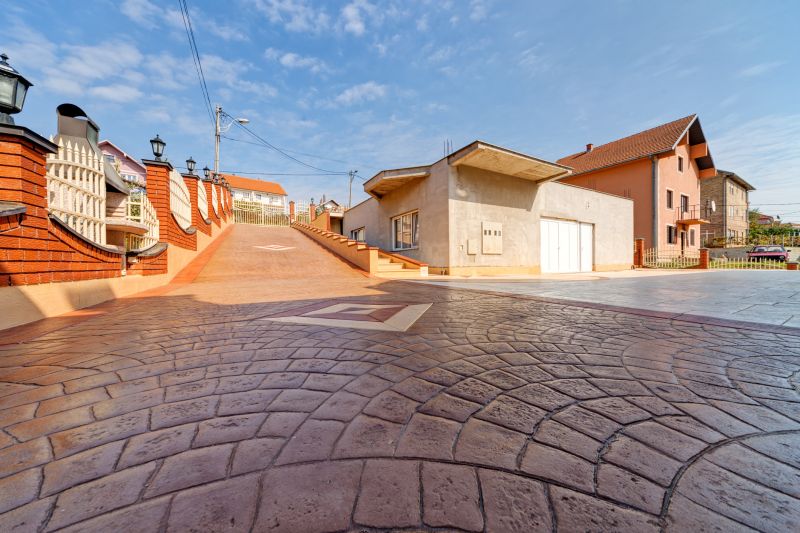
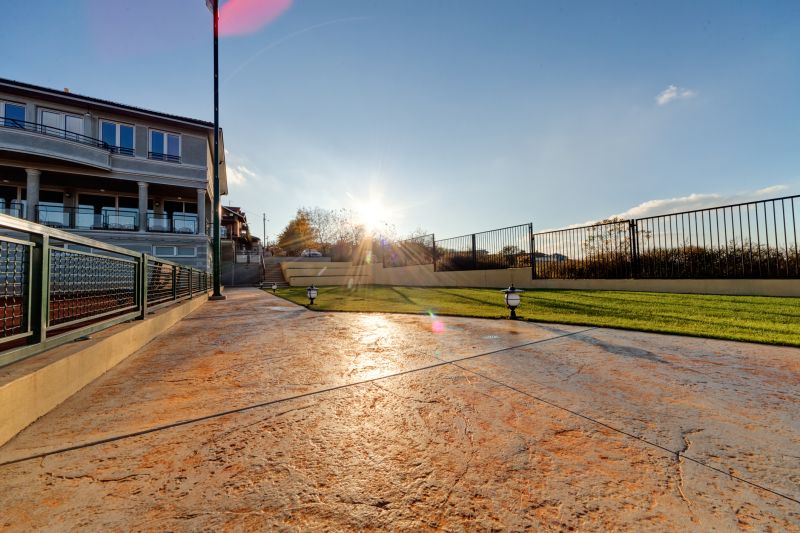
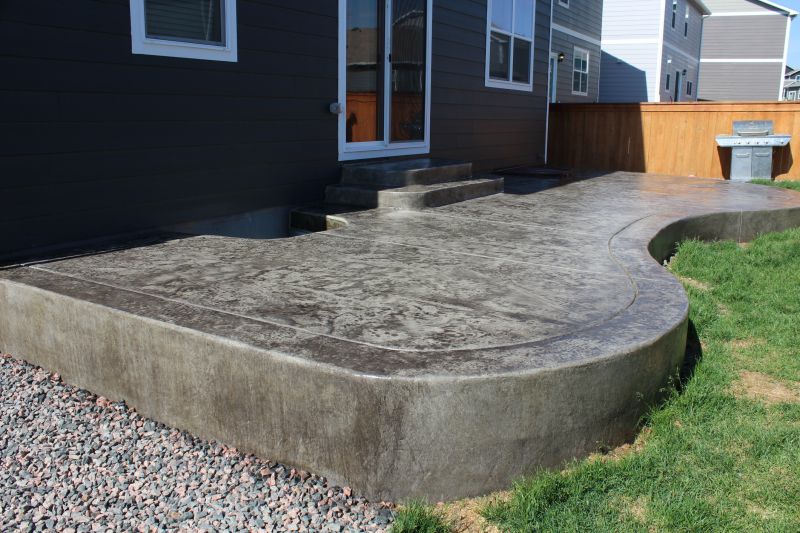
When people search for information on stamped concrete vs. pavers for commercial properties, they are often exploring options for enhancing outdoor spaces that serve business needs. This topic typically relates to projects such as creating attractive walkways, parking lots, patios, or entryways that combine durability with visual appeal. Property owners may be considering these materials to improve curb appeal, manage foot or vehicle traffic efficiently, or establish a specific aesthetic for their business premises. Understanding the differences between stamped concrete and pavers helps in making informed decisions that align with the property's functional requirements and design goals.
The decision between stamped concrete and pavers for commercial properties often ties into specific challenges or plans. For instance, property managers might want a surface that withstands heavy traffic and weather conditions while maintaining a professional appearance. They may also need a solution that minimizes ongoing maintenance or allows for easier repairs in case of damage. Additionally, some projects require a particular style or pattern that complements the overall branding or architecture. Local service providers experienced in commercial stamped concrete installation can help evaluate these factors, providing guidance on which material best suits the property's intended use and aesthetic preferences.
Commercial properties that typically come up in discussions about stamped concrete vs. pavers include retail centers, office complexes, hotels, restaurants, and industrial facilities. These types of properties often demand durable, long-lasting surfaces capable of handling frequent use by customers, employees, or delivery vehicles. The choice of material can influence not only the appearance but also the functionality of outdoor spaces, such as ensuring proper drainage or providing slip-resistant surfaces. Local contractors who specialize in commercial stamped concrete installation are familiar with the unique demands of these property types and can assist in selecting and installing the most suitable surface material.
Understanding the practical implications of stamped concrete vs. pavers for commercial properties helps property owners plan effectively. For example, stamped concrete offers a seamless, uniform surface that can mimic the look of stone or brick at a lower cost and with quicker installation. Pavers, on the other hand, provide a modular approach that allows for easier repairs and customization but may require more maintenance over time. Local service providers can evaluate the specific needs of a project-such as load-bearing requirements, aesthetic preferences, and maintenance expectations-and recommend the best material choice. This ensures that commercial outdoor spaces are both functional and visually appealing, supporting the property's overall operational goals.
Concrete stamping projects involve detailed surface patterns and textures similar to stamped concrete for commercial properties, requiring skilled planning and precise tool use.
Paving installation services focus on layout, base preparation, and durable materials, aligning with the skills needed for paver installation in commercial settings.
Exterior surface remodeling projects often incorporate decorative concrete and paving elements, making them relevant for those considering stamped concrete or pavers.
Landscape hardscaping involves designing and installing durable surfaces like walkways and patios, which share planning and installation techniques with stamped concrete and paver projects.
Concrete finishing and texturing services relate directly to the techniques used in stamped concrete, requiring knowledge of surface preparation and decorative finishes.
Site preparation and grading are essential steps for both stamped concrete and paver installations, ensuring proper base conditions for long-lasting results.
When evaluating contractors for stamped concrete vs. pavers for commercial properties, it’s important to consider their experience with similar projects. Homeowners should look for service providers who have a proven track record of completing commercial installations that match the scope and complexity of their project. Asking for clear written expectations can help ensure that both parties are aligned on the scope of work, materials, and finish details. Reputable references or portfolios of past work can provide insight into the contractor’s ability to deliver quality results on projects similar in size and style, giving confidence in their expertise and reliability.
Effective communication is a key factor when comparing local contractors for commercial stamped concrete installation services. Homeowners should seek out service providers who are transparent and responsive during initial discussions, as this often reflects their overall professionalism and dedication to client satisfaction. Clear, detailed explanations about the process, timelines, and potential challenges can help set realistic expectations and prevent misunderstandings later. Good communication also facilitates smoother project management, ensuring that any issues are addressed promptly and that the project stays on track.
Ultimately, choosing a contractor for stamped concrete vs. pavers for commercial properties involves assessing their experience, clarity in written expectations, and communication skills. Homeowners are encouraged to gather multiple proposals, review references, and ask questions about their previous work with similar projects. This approach can help identify service providers who are well-equipped to handle the specific needs of commercial installations, providing confidence that the chosen contractor will deliver a durable, aesthetically pleasing result aligned with the project’s goals.
Property owners often search for stamped concrete vs. pavers for commercial properties: pros and cons when they are planning practical projects around their homes and businesses. Local pros provide Commercial Stamped Concrete Installation services for everyday jobs and straightforward project options.
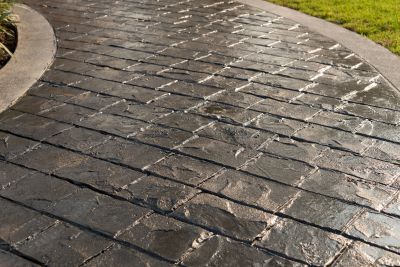
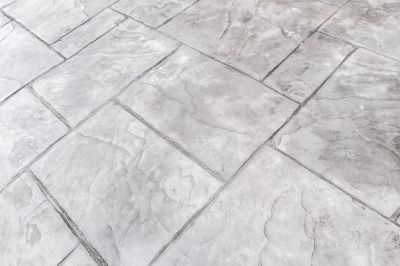
For property owners evaluating options for commercial outdoor spaces, understanding the differences between stamped concrete and pavers can help inform decision-making. Stamped concrete often appeals due to its ability to mimic high-end materials like stone or brick at a lower initial cost, making it a popular choice for busy areas that require a durable, seamless surface. On the other hand, pavers are appreciated for their versatility and ease of repair; individual units can be replaced if damaged, which can be advantageous for high-traffic or heavily used commercial properties. Local contractors can provide insights into which material aligns best with specific project needs, whether that’s durability, aesthetic appeal, or long-term maintenance considerations.
When considering stamped concrete vs. pavers for commercial properties, property owners might also think about installation complexity and overall longevity. Stamped concrete generally offers a quicker installation process and a smooth, uniform surface that can be customized with various patterns and colors. Pavers, while potentially requiring more time to lay, can offer a more textured and slip-resistant surface, which might be beneficial in certain environments. Local service providers are equipped to evaluate the site conditions and help determine which option will perform best over time, ensuring the outdoor space remains functional and visually appealing for years to come.
What are the main durability differences between stamped concrete and pavers for commercial properties? Local contractors can provide insights into how stamped concrete and pavers withstand heavy foot and vehicle traffic, helping property owners choose the most durable option for their needs.
How does maintenance compare between stamped concrete and pavers in a commercial setting? Service providers can advise on maintenance requirements, such as sealing or replacing pavers, to keep the surface looking and functioning well over time.
Which option offers more design flexibility for commercial landscapes? Local pros can explain the customization options available with stamped concrete and pavers, including patterns, colors, and textures to match the property's aesthetic goals.
Are there differences in installation complexity between stamped concrete and pavers? Commercial contractors can clarify the installation process, including site preparation and potential disruptions, to help property owners plan accordingly.
What are the typical lifespan considerations for stamped concrete versus pavers in commercial applications? Service providers can share insights on how long each material tends to last and what factors influence their longevity in high-traffic environments.
Assessing durability needs - Property owners can evaluate the expected foot traffic and usage patterns to determine whether stamped concrete or pavers will withstand daily wear in commercial settings.
Considering aesthetic goals - Choosing between stamped concrete and pavers involves matching the desired visual appeal with the property's overall design, with local contractors helping achieve the preferred look.
Planning for installation complexity - Property owners might consider the complexity of installation and potential disruptions, as local service providers can advise on which option fits the project's scope.
Evaluating maintenance requirements - Deciding on long-term upkeep, such as repairs or replacements, can be guided by understanding the maintenance needs of stamped concrete versus pavers, with local pros offering practical solutions.
If you are thinking about stamped concrete vs. pavers for commercial properties: pros and cons for a property, this guide is meant to help you understand this topic, the typical project types, and how different options might fit your plans.
When you are ready, you can use the quote form on this page to share a few details about your project. From there, local pros can review the basics and follow up with options that match what you have in mind.