How Weather Exposure Impacts Residential Stamped Concrete Surfaces
People searching for residential stamped concrete repair are often looking to restore or protect their surfaces affected by weather exposure, and local contractors can provide expert solutions to address cracks, fading, or damage caused by the elements.
Understanding how weather exposure impacts residential stamped concrete surfaces is essential for property owners who want to maintain the beauty and durability of their outdoor spaces. In climates with varying temperatures, moisture, and seasonal changes, stamped concrete can experience wear and damage over time. Recognizing these effects helps homeowners make informed decisions about repairs, maintenance, and protective measures. Local contractors specializing in stamped concrete repair are equipped to assess weather-related issues and recommend solutions that preserve the surface’s appearance and structural integrity.
Property owners in the area who notice cracks, fading, or surface deterioration may find it beneficial to explore how weather exposure influences their stamped concrete. Addressing these concerns early can prevent more extensive damage and extend the lifespan of the surface. Connecting with experienced service providers ensures that repairs are tailored to withstand local weather conditions, helping to keep outdoor spaces both attractive and functional. Keep reading to learn more about the impact of weather and how local experts can assist with maintaining resilient stamped concrete surfaces.
- Homeowners noticing cracking or surface deterioration in stamped concrete due to weather exposure can rely on local contractors to assess and repair damage effectively. - When fading or discoloration occurs on stamped concrete surfaces because of weather elements, local pros can restore the appearance through specialized staining and sealing techniques. - In cases where freeze-thaw cycles cause concrete surface spalling or pitting, local service providers can perform repairs to reinforce and protect the stamped concrete. - For surfaces showing signs of erosion or surface wear from rain and moisture, local contractors offer resurfacing solutions to extend the life of stamped concrete. - When weather exposure leads to uneven surface texture or pattern loss, local pros can restore the original stamped concrete design with targeted repair and resurfacing methods.
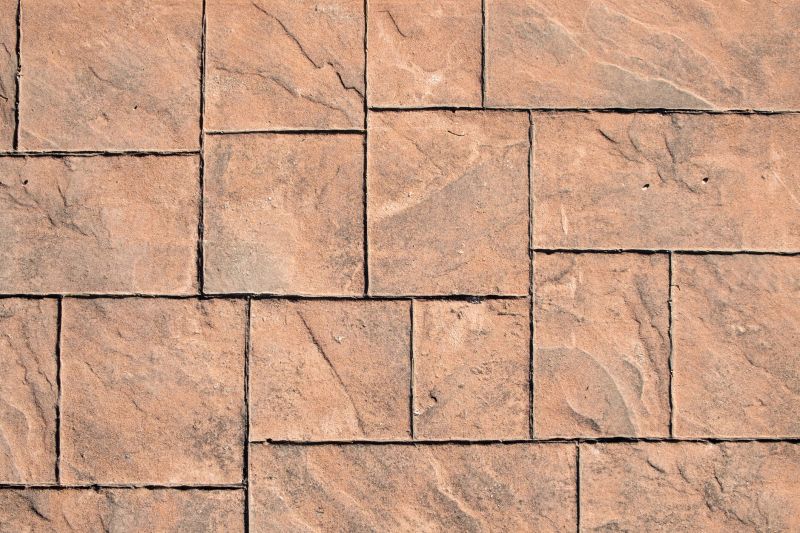
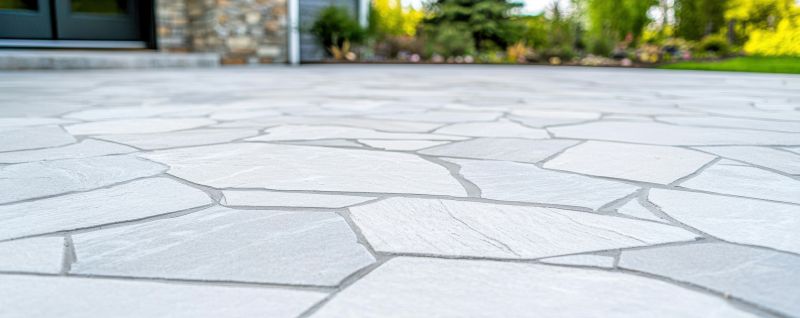
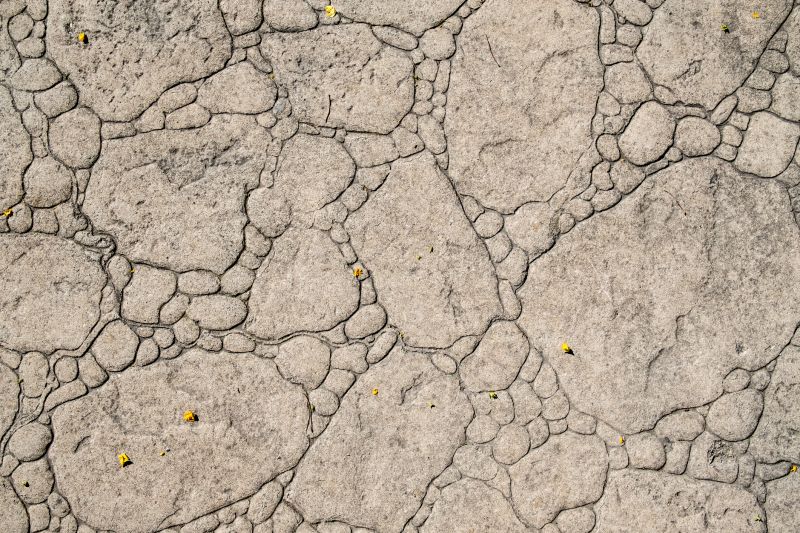
When homeowners search for information about how weather exposure impacts residential stamped concrete surfaces, they are typically trying to understand how environmental conditions can affect the appearance, durability, and longevity of their decorative concrete. Many are considering or already have stamped concrete installed on features like patios, driveways, or walkways and want to know how weather factors such as rain, snow, sun, and temperature fluctuations might cause damage or deterioration over time. This interest often stems from concerns about surface cracking, color fading, surface erosion, or uneven wear, which can compromise the aesthetic appeal and functionality of the concrete. Homeowners may also be exploring options for repairs or protective measures to maintain their stamped concrete’s visual appeal and structural integrity.
The topic of weather exposure and its effects relates closely to plans for repair, maintenance, or preventative treatments on stamped concrete surfaces. For those with existing installations, understanding how weather impacts their concrete can influence decisions about sealing, resurfacing, or re-staining to protect against damage. It is also relevant for homeowners planning new projects, as selecting the right concrete mix, design, and protective finishes can help mitigate weather-related issues from the start. Common problems associated with weather exposure include surface cracking from freeze-thaw cycles, color fading due to prolonged sun exposure, and surface erosion caused by heavy rain or pooling water. Knowing these issues helps homeowners work with local contractors who specialize in stamped concrete repair and maintenance, ensuring that their surfaces remain attractive and durable despite environmental challenges.
Properties that typically come up in discussions about weather exposure and stamped concrete include residential homes with outdoor living spaces, driveways, walkways, and pool decks. These areas are directly exposed to the elements and are often the focus of concern because their appearance and functionality are highly visible and heavily used. Homes in regions with significant seasonal changes, such as cold winters or hot summers, are especially aware of how weather can cause surface damage over time. Additionally, properties with poorly drained landscapes or inadequate protective coatings are more susceptible to weather-related deterioration. Understanding the specific environmental conditions of a property helps homeowners identify the types of issues that might develop and how local service providers can offer targeted solutions to address weather-related wear and tear.
In practical terms, residents should recognize that weather exposure influences the need for ongoing maintenance and potential repairs on stamped concrete surfaces. Local contractors who specialize in stamped concrete repair can assess how environmental factors have impacted a specific property and recommend appropriate treatments, such as sealing, resurfacing, or crack repair. These professionals help ensure that stamped concrete surfaces withstand the effects of weather, maintaining their visual appeal and structural integrity over time. For homeowners, understanding the relationship between weather exposure and concrete durability underscores the importance of choosing experienced service providers who can help protect their investment and keep outdoor spaces looking their best regardless of environmental conditions.
Concrete sealing projects - local contractors often perform sealing to protect stamped concrete surfaces from weather-related damage, helping to prevent cracks and surface deterioration caused by exposure to the elements.
Outdoor patio installations - professionals experienced in creating durable outdoor living spaces understand how weather impacts stamped concrete surfaces and can advise on weather-resistant design and materials.
Surface repair and resurfacing - repair specialists address issues like surface erosion or cracking that result from weather exposure, restoring the appearance and integrity of stamped concrete.
Drainage and slope correction - experts can improve drainage around stamped concrete surfaces to reduce water pooling and weather-related damage, ensuring longevity and stability.
Concrete staining and finishing - local service providers applying stains or finishes consider weather conditions to achieve lasting color and surface quality on stamped concrete.
Weatherproofing consultations - professionals offer guidance on protective coatings and maintenance strategies to minimize weather impact on stamped concrete surfaces over time.
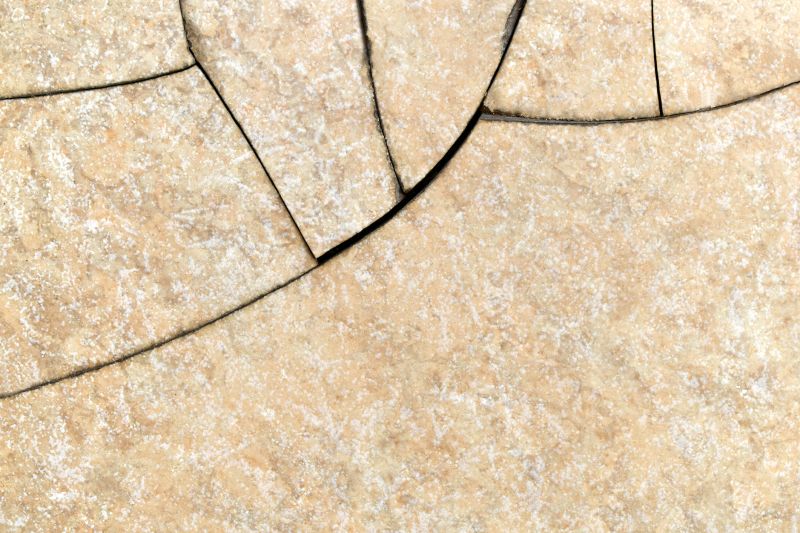
When evaluating local contractors for stamped concrete repair, it’s important to consider their experience with similar projects, especially those involving weather-related impacts. Homeowners should inquire about the types of surfaces they have worked on and whether they have addressed issues caused by exposure to elements like rain, snow, or extreme temperatures. An experienced service provider will have a clear understanding of how weather exposure can affect the durability and appearance of stamped concrete, and they can offer insights into effective repair strategies that withstand local climate conditions.
Clear, written expectations are essential when comparing service providers. Homeowners should seek detailed descriptions of the repair process, including the steps involved in addressing weather-related damage and the materials used. This transparency helps ensure that the contractor’s approach aligns with the homeowner’s needs and provides a realistic understanding of the project scope. Well-documented expectations also serve as a reference point for evaluating the professionalism and thoroughness of each contractor, reducing the risk of misunderstandings or unmet expectations.
Reputable references and strong communication are key indicators of a reliable local contractor. Homeowners are encouraged to ask for examples of past projects, particularly those involving weather exposure challenges, and to speak with previous clients if possible. Good communication throughout the process-such as timely updates, clear explanations of repair options, and responsiveness to questions-can significantly influence the overall experience. Choosing a service provider who demonstrates professionalism and transparency can help ensure that the repair work effectively addresses weather-related concerns and enhances the longevity of the stamped concrete surface.
Property owners often search for how weather exposure impacts residential stamped concrete surfaces when they are planning practical projects around their homes and businesses. Local pros provide Residential Stamped Concrete Repair services for everyday jobs and straightforward project options.
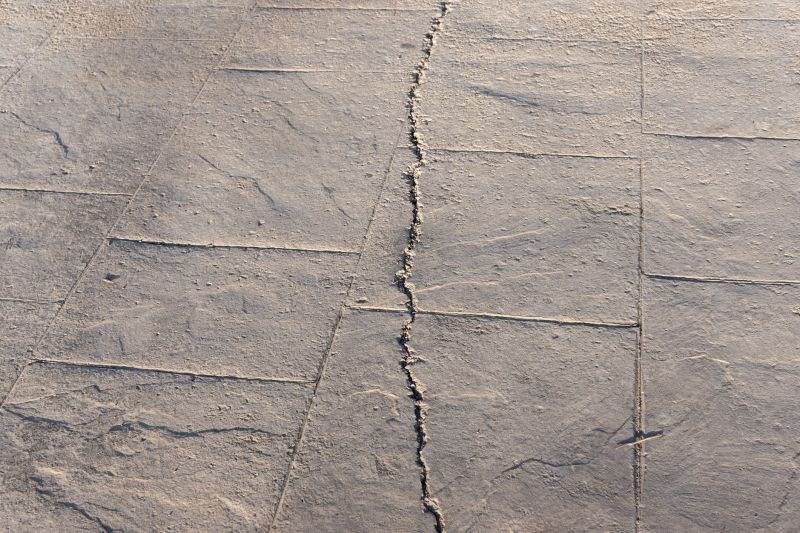
Weather exposure plays a significant role in the durability and appearance of residential stamped concrete surfaces. In areas with frequent temperature fluctuations, heavy rainfall, or intense sunlight, concrete can develop issues such as cracking, surface erosion, or color fading over time. Property owners often seek out information on how weather impacts their stamped concrete to understand potential repairs or maintenance needed to preserve its aesthetic appeal and structural integrity.
Local contractors experienced in stamped concrete repair can assess weather-related damage and recommend appropriate solutions to restore surfaces affected by environmental factors. Whether dealing with surface cracks caused by freeze-thaw cycles or discoloration from prolonged sun exposure, property owners can benefit from consulting with service providers who specialize in addressing weather-induced wear. These professionals can help maintain the longevity and visual appeal of stamped concrete surfaces despite ongoing weather challenges.
How does weather exposure affect the appearance of residential stamped concrete surfaces? Weather exposure can cause fading, discoloration, or surface erosion in stamped concrete, leading to a less vibrant and textured look over time. Local contractors can assess and perform repairs to restore the surface's original aesthetic.
Can weather conditions lead to cracks or structural damage in stamped concrete? Yes, freeze-thaw cycles, heavy rain, and temperature fluctuations can cause cracking or shifting in stamped concrete surfaces. Experienced service providers can identify and repair these issues to maintain the surface's integrity.
What types of weather-related damage are common on stamped concrete surfaces? Common weather-related damages include surface scaling, spalling, cracking, and color fading, which can compromise both the appearance and durability of the concrete. Local pros can provide repair solutions to address these problems.
How can weather exposure impact the longevity of residential stamped concrete surfaces? Repeated exposure to harsh weather can accelerate wear and deterioration, reducing the lifespan of stamped concrete. Repair services can help mitigate damage and extend the surface's durability.
What repair options are available for stamped concrete surfaces damaged by weather exposure? Repairs may include surface patching, sealing, color restoration, or resurfacing to address weather-related damage. Local service providers can recommend suitable solutions based on the specific condition of the concrete.
Assessing weather impact - Property owners can evaluate how seasonal changes may cause cracking or shifting in their stamped concrete surfaces and plan repairs accordingly with local contractors.
Applying protective sealers - Using weather-resistant sealers can help preserve stamped concrete surfaces against moisture and temperature fluctuations, with local pros providing expert application.
Timing repairs strategically - Scheduling concrete repairs during mild weather conditions can prevent further damage caused by extreme weather exposure, supported by experienced local contractors.
Implementing proper drainage - Ensuring adequate drainage around stamped concrete surfaces can reduce water pooling and damage, with local pros offering solutions tailored to weather challenges.
If you are thinking about how weather exposure impacts residential stamped concrete surfaces for a property, this guide is meant to help you understand this topic, the typical project types, and how different options might fit your plans.
When you are ready, you can use the quote form on this page to share a few details about your project. From there, local pros can review the basics and follow up with options that match what you have in mind.