Common Causes of Damage in Commercial Stamped Concrete Surfaces
People seeking commercial stamped concrete repair aim to fix damage caused by factors like weather, heavy traffic, or improper installation, and local service providers can effectively restore and maintain their surfaces.
Understanding the common causes of damage in commercial stamped concrete surfaces is essential for property owners aiming to maintain their investment’s appearance and safety. Over time, factors such as heavy loads, improper installation, and exposure to harsh weather conditions can lead to cracking, chipping, or surface deterioration. Recognizing these issues early can help prevent more extensive damage, and consulting with local contractors experienced in stamped concrete repair ensures that problems are addressed effectively and efficiently.
Property owners in the area often explore this topic to protect their outdoor spaces and avoid costly repairs down the line. Damage caused by improper sealing, ground movement, or chemical exposure can compromise the integrity of stamped concrete surfaces. Local service providers who specialize in stamped concrete repair are equipped to handle these common issues, restoring surfaces to their original condition and extending their lifespan. Keeping informed about these causes helps ensure that property owners can make informed decisions when seeking professional assistance.
- When cracks or surface erosion appear due to freeze-thaw cycles, local contractors can assess and repair damaged stamped concrete to restore its integrity. - Water pooling or excessive moisture exposure can lead to deterioration, prompting service providers to perform sealing or repairs to prevent further damage. - Heavy loads or frequent traffic may cause surface chipping or scaling, with local pros providing reinforcement or resurfacing solutions. - UV exposure and fading can diminish the appearance of stamped patterns, leading service providers to offer cleaning and protective sealing services. - Chemical spills or staining are common causes of damage, and local contractors can address these issues through cleaning, stain removal, and surface restoration.
When people search for common causes of damage in commercial stamped concrete surfaces, they are often seeking to understand why their investment may be deteriorating prematurely or developing visible issues. These searches typically relate to problems that compromise the appearance, safety, and longevity of stamped concrete used in commercial settings such as parking lots, walkways, patios, or decorative outdoor spaces. Property owners and managers want to identify the root causes of damage so they can plan repairs or maintenance effectively, ensuring the surfaces remain functional and visually appealing. Recognizing these common issues helps in making informed decisions about repairs and choosing the right local contractors to handle the work.
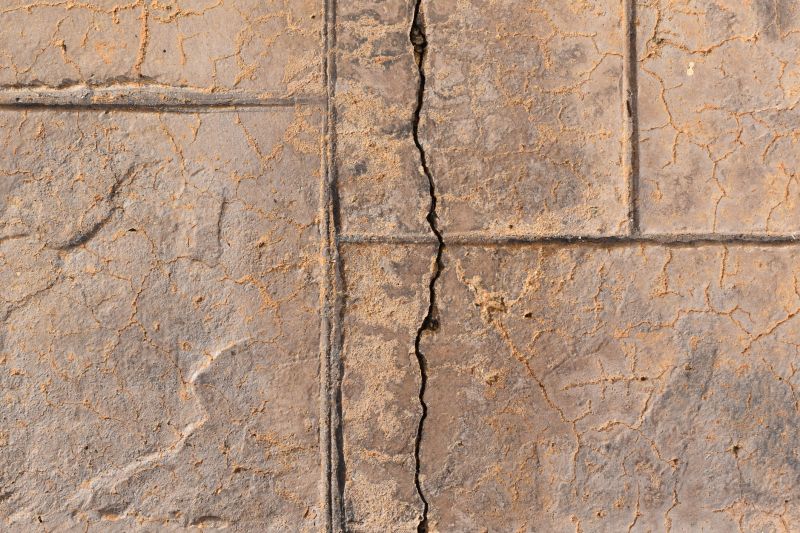
The types of problems associated with damage in commercial stamped concrete often include cracking, scaling, spalling, and surface discoloration. Cracks can develop due to ground movement, temperature fluctuations, or improper installation, leading to water infiltration that worsens the damage over time. Scaling and spalling occur when the surface layer begins to peel or flake away, often caused by poor mixing, insufficient curing, or exposure to de-icing chemicals. Discoloration or staining may result from chemical spills, UV exposure, or improper sealing. These issues not only diminish the aesthetic value but can also pose safety hazards, such as tripping or slipping, prompting property owners to seek professional repair services.
Damage in commercial stamped concrete surfaces is often linked to environmental and structural factors. Heavy vehicle traffic, especially from trucks or delivery vehicles, can exert excessive pressure that causes cracking or surface failure. Exposure to moisture, whether from rain, snow, or humidity, can lead to freeze-thaw cycles that weaken the concrete over time. Additionally, improper installation practices-like inadequate base preparation or incorrect stamping techniques-can leave the surface vulnerable to early damage. Local contractors experienced in stamped concrete repair understand these common causes and can assess how environmental conditions and construction methods have contributed to the damage, guiding targeted repair strategies.
Certain property types are more prone to issues with stamped concrete surfaces, including commercial parking lots, outdoor patios, walkways, and entryways. These areas often experience high foot traffic, vehicle loads, and frequent exposure to the elements, making them more susceptible to damage. Commercial properties with heavy service vehicles or outdoor spaces that are not regularly maintained may notice issues sooner. By understanding the common causes of damage specific to these property types, property owners can work with local service providers to implement preventative measures or repairs that restore the integrity and appearance of the stamped concrete. This proactive approach helps ensure the surfaces remain durable and safe for everyday use.
Commercial paving projects involve similar planning and surface preparation skills as stamped concrete repair, making them relevant for addressing damage causes in stamped surfaces.
Concrete restoration and resurfacing jobs require expertise in surface assessment and repair techniques that are applicable to damaged stamped concrete areas.
Outdoor hardscape installations such as patios and walkways share the use of stamping tools and surface finishing methods, which are essential in understanding damage prevention.
Industrial flooring projects often involve concrete repair and sealing processes that help mitigate common causes of damage in stamped surfaces.
Driveway and parking lot repairs utilize similar surface assessment and repair strategies, making them related projects for addressing stamped concrete issues.
Landscape and hardscape design projects require planning and surface durability considerations that align with the skills needed for stamped concrete surface repair.
When comparing service providers for commercial stamped concrete repair, it is important to evaluate their experience with similar projects. Contractors who have a track record of working on stamped concrete surfaces in commercial settings are more likely to understand the unique challenges associated with common causes of damage in these surfaces. An experienced local contractor can provide insights into the types of issues that typically arise, such as cracking, spalling, or surface deterioration, and recommend appropriate repair methods based on past work. This familiarity can help ensure that the repairs are effective and durable, reducing the likelihood of recurring problems related to the common causes of damage.
Clear, written expectations are essential when choosing a contractor for stamped concrete repair. Service providers should be able to outline the scope of work, the materials they plan to use, and the steps involved in addressing common causes of damage. Having these details documented helps prevent misunderstandings and ensures that both parties are aligned on project outcomes. Homeowners should look for contractors who communicate openly about their approach to repairs and who are willing to provide detailed explanations of how they will tackle issues such as surface erosion or damage caused by environmental factors. Well-defined expectations contribute to a smoother repair process and help ensure the longevity of the stamped concrete surface.
Reputable references and good communication are key indicators of a trustworthy local contractor. When evaluating service providers, homeowners can ask for references from previous clients who had similar work done on stamped concrete surfaces. These references can provide insights into the contractor’s ability to handle repairs effectively and address common causes of damage. Additionally, contractors who maintain clear and responsive communication throughout the project are more likely to deliver satisfactory results. Good communication ensures that concerns are addressed promptly and that the repair process proceeds smoothly, ultimately leading to a more reliable and lasting solution for commercial stamped concrete surfaces.
Property owners often search for common causes of damage in commercial stamped concrete surfaces when they are planning practical projects around their homes and businesses. Local pros provide Commercial Stamped Concrete Repair services for everyday jobs and straightforward project options.
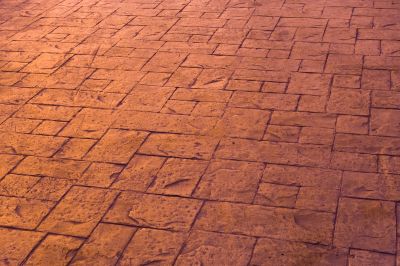
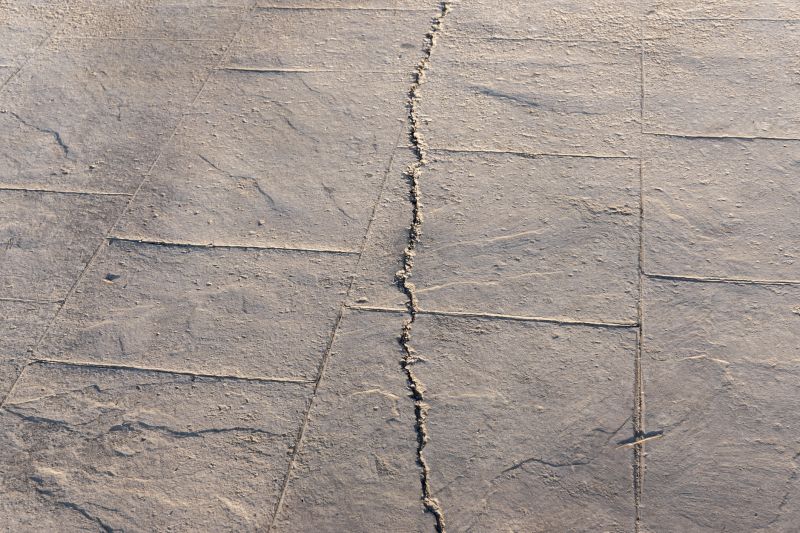
Understanding the common causes of damage in commercial stamped concrete surfaces can help property owners identify issues early and seek appropriate repairs. Everyday project situations such as heavy vehicle traffic, exposure to harsh weather conditions, or improper installation can all contribute to surface deterioration. For example, frequent vehicular movement may lead to surface cracking or surface spalling over time, while freeze-thaw cycles can cause the concrete to expand and contract, resulting in surface unevenness or cracks. Additionally, exposure to chemicals like de-icing salts or oil spills can weaken the surface finish, making it more susceptible to damage.
Property owners in the area often look into commercial stamped concrete repair services when they notice signs of wear or damage. Common issues like surface scaling, discoloration, or cracking can develop gradually or suddenly, especially if the surface has experienced neglect or improper maintenance. Local contractors who specialize in stamped concrete repair can assess the damage, identify the underlying causes, and provide solutions to restore the surface’s appearance and durability. Addressing these issues promptly can help prolong the lifespan of the stamped concrete and maintain the property's overall aesthetic appeal.
What are common causes of damage in commercial stamped concrete surfaces? Heavy traffic, exposure to harsh weather conditions, and improper installation are frequent factors that lead to damage in stamped concrete. Local contractors can assess and repair these issues to restore the surface's integrity.
How does weather contribute to damage in stamped concrete? Freeze-thaw cycles, heavy rainfall, and prolonged sun exposure can cause cracking and surface deterioration. Service providers experienced in stamped concrete repair can address weather-related damage effectively.
Can improper installation cause damage to stamped concrete surfaces? Yes, poor installation practices such as inadequate base preparation or incorrect sealing can result in cracking and surface failure. Local pros can identify and fix installation-related issues to prevent further damage.
What role does heavy equipment or vehicle traffic play in damaging stamped concrete? Heavy vehicles can create stress and lead to cracking or surface spalling. Local contractors can perform repairs and recommend protective measures to minimize future damage.
Are chemical spills or staining common causes of damage in stamped concrete? Yes, exposure to harsh chemicals or staining agents can weaken the surface and cause discoloration. Service providers can clean, restore, and reinforce stamped concrete surfaces affected by chemical damage.
Heavy vehicle traffic - Regularly, commercial areas see frequent vehicle movement that can cause surface cracking; local contractors can reinforce stamped concrete to withstand such stress.
Exposure to harsh weather - Extreme temperature changes and moisture can lead to surface deterioration, and local service providers can apply protective coatings to minimize damage.
Poor installation practices - Improper surface preparation or finishing can result in early damage, making professional repair and resurfacing services essential for long-term durability.
Chemical spills and stains - Exposure to chemicals like oils or de-icing salts can erode stamped concrete surfaces, and local pros can provide cleaning and sealing solutions to prevent further harm.
If you are thinking about common causes of damage in commercial stamped concrete surfaces for a property, this guide is meant to help you understand this topic, the typical project types, and how different options might fit your plans.
When you are ready, you can use the quote form on this page to share a few details about your project. From there, local pros can review the basics and follow up with options that match what you have in mind.